In effect, here are two excellent alternate routes that you might want to take in the event of a societal collapse that forces you from your bunker. Of course, be prepared to leave the automobile in the garage...

#1 Railroad Tracks
One type of infrastructure that the US has had since late in the 19th century was the railroad system. Railroads cover the continental US (and even southern Alaska), networking from urban sprawl to sparse countryside to the remote wilderness.Railroads cross state lines, they can go over rivers, they can cut through the mountains, and give you an easy pass through just about any terrain that you might consider to be problematic. An excellent aspect about using rail lines is the fact that most refugees will be stuck on roads. Especially in the event that you must travel over a body of water, everyone else will be locked in traffic trying to cross...but you won't have that problem, since there will be a fraction of the people and no cars on the railroad bridge. Also, rail lines are just about everywhere, which means that the majority of your trip can be easy going with no rough terrain.
The only problems you might want to consider are the danger's of travelling on railroads. First, if the railroads are still being used by locomotives, you should not travel on the train tracks themselves; instead, travel next to them. Second, railroad networks will sometimes lead you into very, very populated areas. Obviously, you should do your uttermost to avoid such areas, so be aware of where the rail system takes you. If possible, acquire the appropriate maps in order to plan your route. Again, stay away from urban areas. Last, this type of route will only work if you are using an off-road vehicle, mountainbike, or your feet.
#2 Trails
If you have an abundance of trails in your area, be sure to check where they are to see if your bug out route corresponds. If they do, then you're in luck.Trails that cover long distances are almost always going to avoid heavily populated areas (or at least skirt around them). This means that you will have very few problems along the way, due to the few amount of travelers you might encounter. While these might not cross over bodies of water and other geological structures without using road systems, the majority of your travels will be moving through farmlands and woodlands. These areas will also have abundant amounts of game.
You will have no shortage of places to pitch camp, and even collect water (depending on your region). Also, these trails are often winding through very dense wilderness, giving you a fantastic blanket of cover.
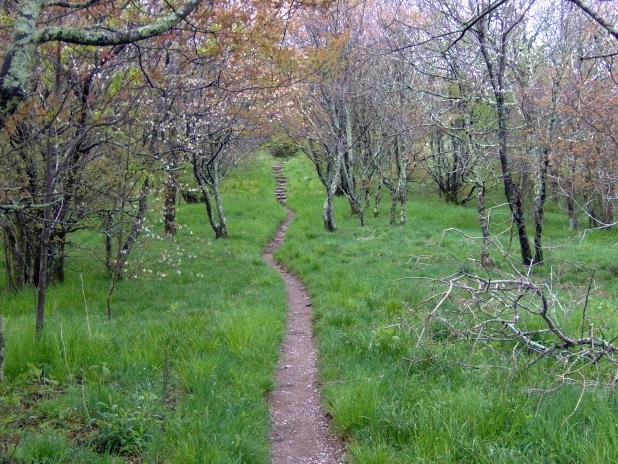
The only problem with this method of travel is the fact that there may be no suitable trails in your area, which correspond to your bug out route. In addition, you may still have to utilize bottlenecked roads to get around bodies of water, canyons, or mountains. If you are on foot or on a bicycle, this may not be an issue. One problem to consider about rail trails is the fact that you can often see a mile up and down the path. This may be good to see folks a long ways off, but they can also see you from a great distance too. Just be aware, and trust your gut.
-K.H. Danielsen

good info. knowledge and info weighs nothing! easy to carry! stock up on it!
ReplyDelete